Land Stewardship
This land was here before us. We’re working to make sure it’s better off after.
We take our responsibility to the land seriously, building our energy facilities to coexist with the neighbors and species who came first.
How we think about land, from day one
We look at what’s already there
Environmental review of soil, water, wetlands, native plants, wildlife habitat, and the potential for any threatened or endangered species or cultural artifacts to be present, is done in consultation with agencies like U.S. Fish and Wildlife and state agencies before construction starts.
We disturb as little as we have to
Every site designed and built according to its unique environment, avoiding sensitive habitat and wetlands, accommodating wildlife, minimizing grading, and maintaining living soil and groundcover where we can.
The land keeps working
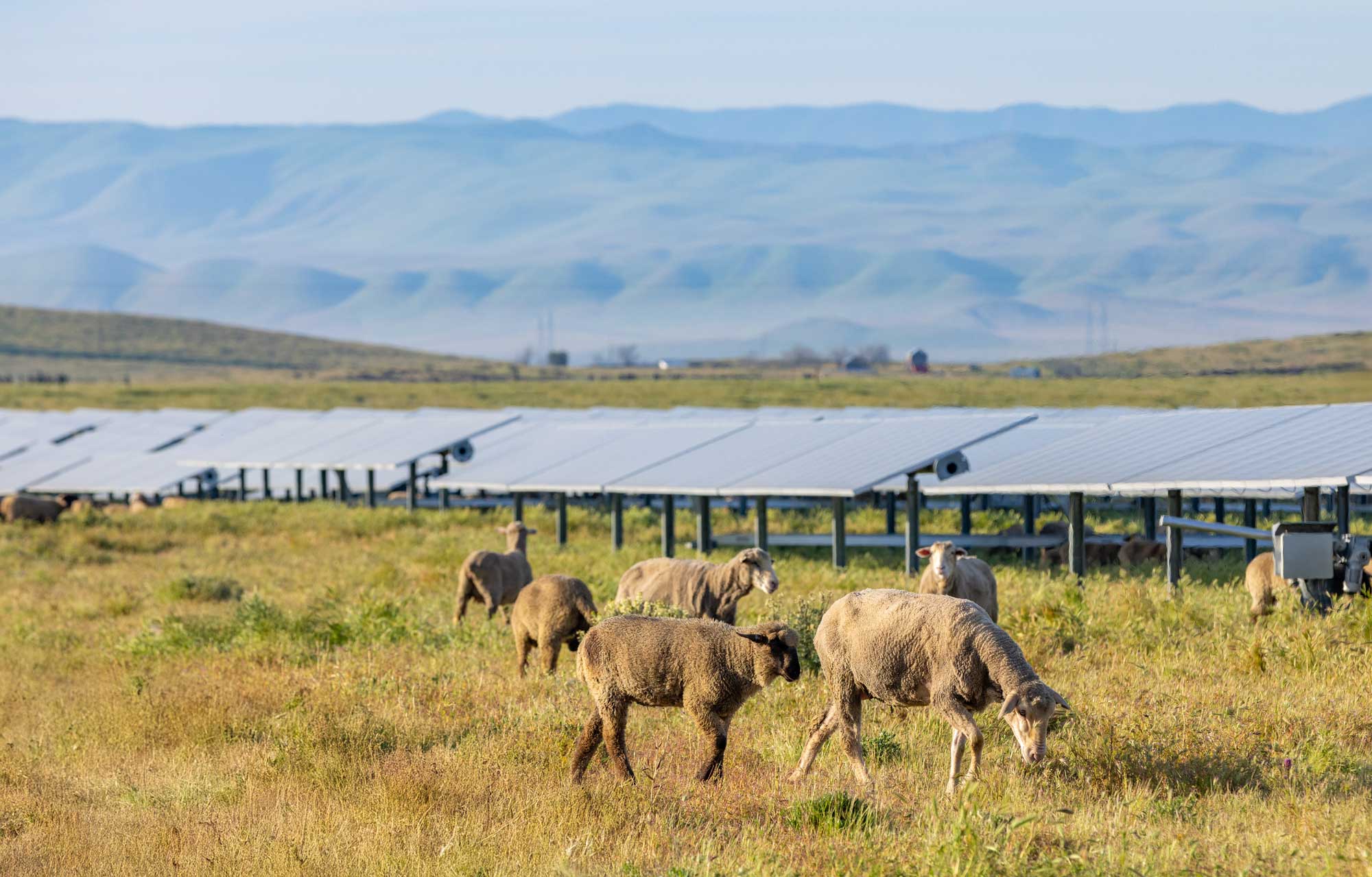
Wildlife, livestock, and native plantings co-exist with the infrastructure for decades of operations. Sheep graze at several of our sites in Hawaii, California, and Utah for vegetation management and wildfire mitigation. At some sites, native pollinator plantings and migration corridors are built around the panels or turbines.
Land is returned how we found it – or better
Site restoration and financial assurance, set out from the start. When land sits idle for several years, even with solar and wind equipment on it, the soil often benefits: nutrients get time to build back up, organic matter increases, and the ground itself becomes less compacted and easier for water to soak into.
Generations of stewardship, still going
The Davie family
Beaver County, Utah
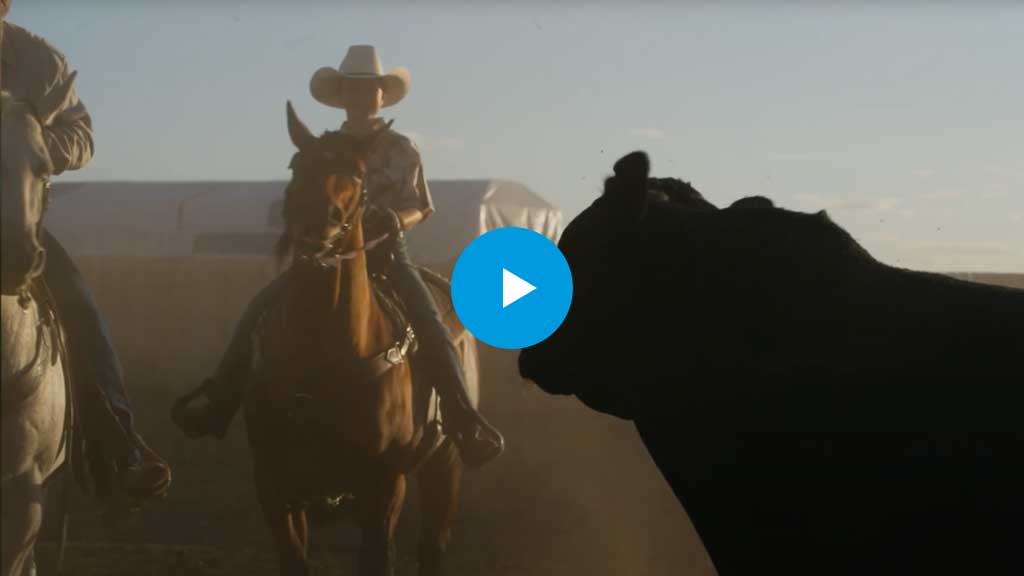
For the Davie family – whose mountain-ranch heritage reaches back to the mid-1800s – their legacy is built on hard work and a deep respect for the land. Ranching and grazing have shaped their story for more than a century.
The Morrison Swenson family
Kent County, Texas
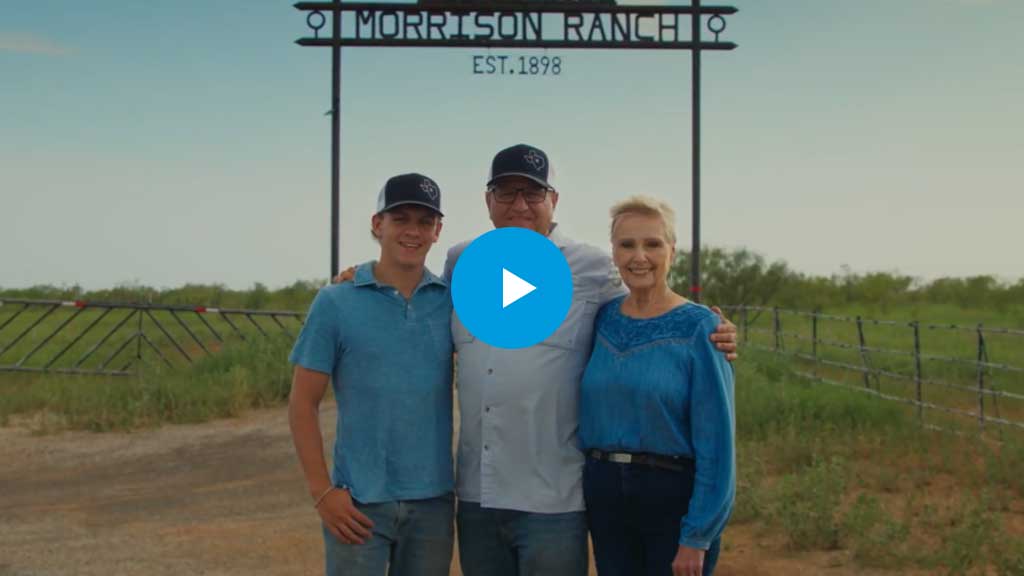
For over a century, the Morrison Swenson family has cared for their ranch in Spur, Texas – and now, by partnering with solar, they’re ensuring it stays that way. This is a story of resilience, renewal, and the love of land passed down through generations.
Set aside, for good
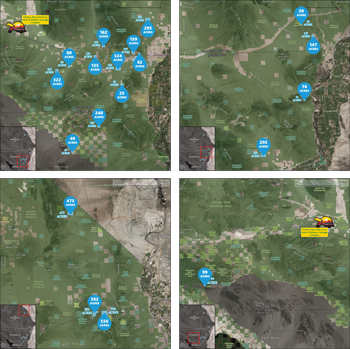
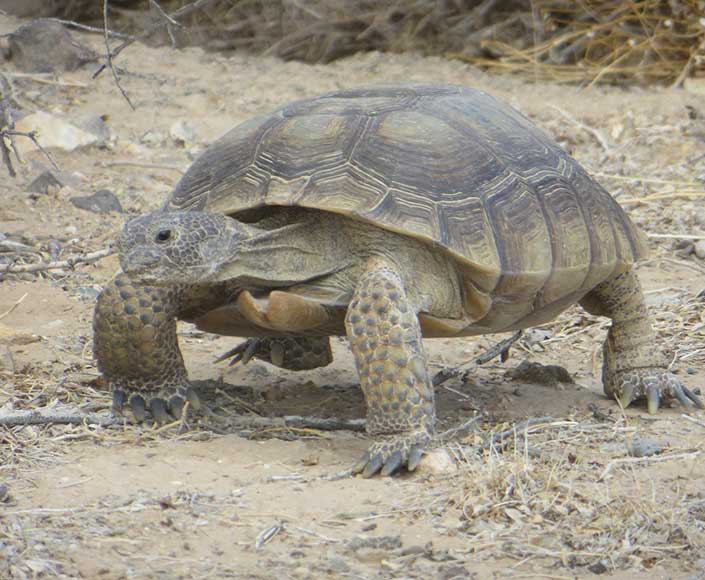
What we’ve permanently protected near our Arica and Victory Pass solar sites in the California desert
Near our Arica and Victory Pass solar sites in the California desert, we’ve permanently protected close to 3,600 acres - about 40% larger than the project sites themselves. Arica and Victory Pass were also the first projects designed to be fully compliant with the Desert Renewable Energy Conservation Plan, sharing infrastructure between the two projects and routing around sensitive biological and cultural resources to minimize ground disturbance.
Working with Wildlands, a habitat mitigation partner, that protected land spans two preserves - Mesa Verde and McCoy Mountain - across Riverside, San Bernardino, and Imperial counties, and is 100% desert tortoise habitat. The land was chosen deliberately: it connects to other protected landscapes and sits along known wildlife movement corridors, so the benefit extends beyond the preserve boundary itself.
Beyond the preserves, both project sites are fully fenced, with tortoise guards at all nine site entrances to keep tortoises from wandering into traffic, and tortoise shelters placed every 1,000 feet along the fence line for shade and protection.
 (opens the enlarged map)
The species calling it home
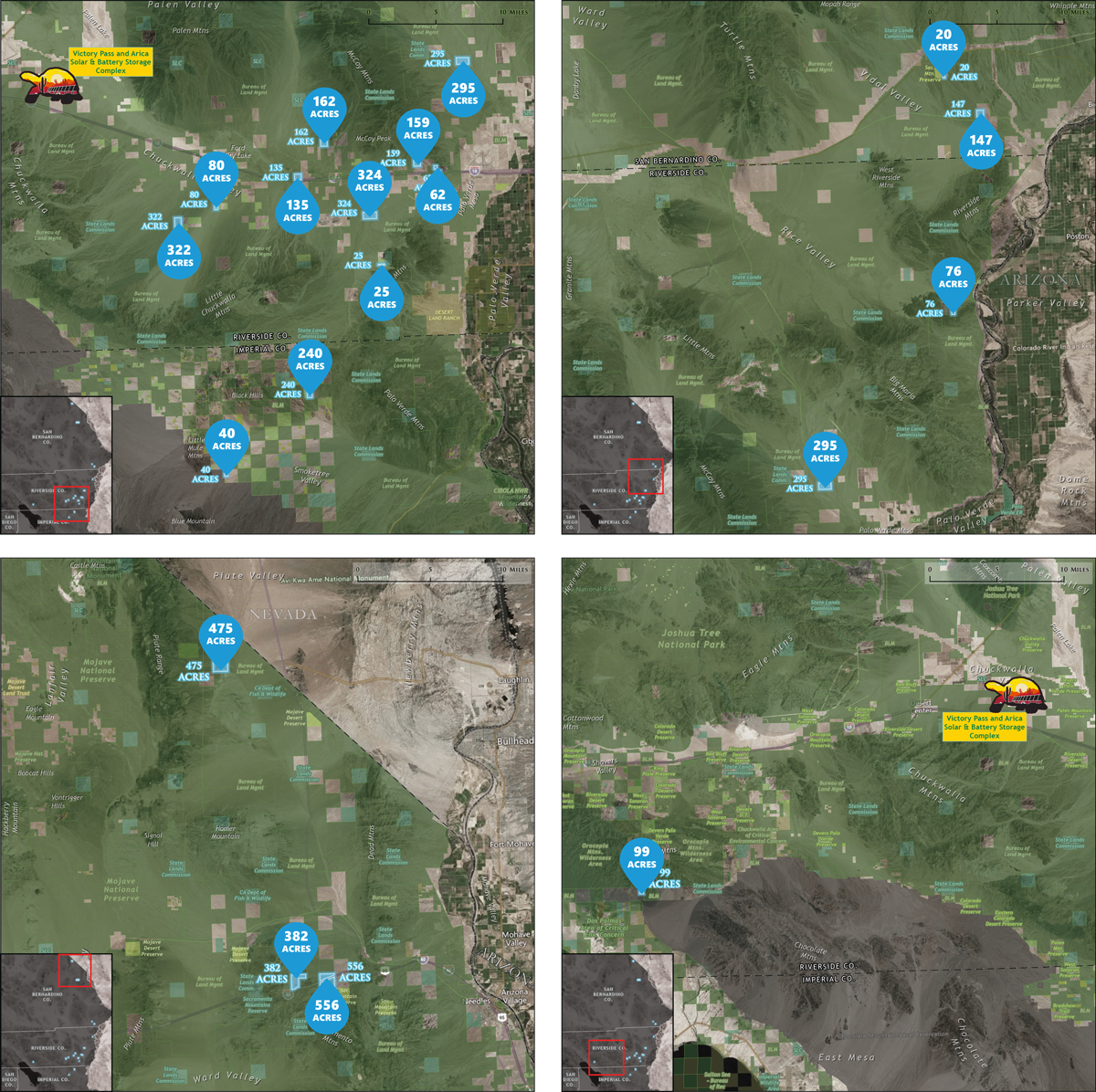
- Agassiz’s desert tortoise: a federally and state-threatened species found only west and north of the Colorado River, which dig burrows deep enough to escape summer heat.
- The Mojave fringe-toed lizard: found only in soft, fine-grained sand dunes across the Mojave and Colorado deserts.
- Emory’s crucifixion-thorn: a rare desert shrub, found in gravelly soils below 2,000 feet.
- Harwood’s milk-vetch: a rare annual herb native to California’s desert dunes.
Protecting wildlife without slowing down clean power
Eagles
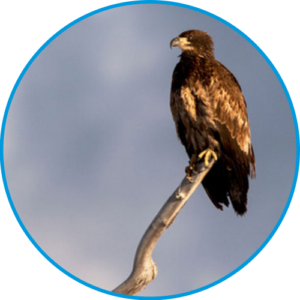
Camera and machine-learning detection at our Mountain Wind sites in Wyoming pauses individual turbines when an eagle is nearby – not the whole wind farm. We also work with Fish & Wildlife to mitigate any potential impacts our operations have on eagles through a program that retrofits old power poles to be eagle safe.
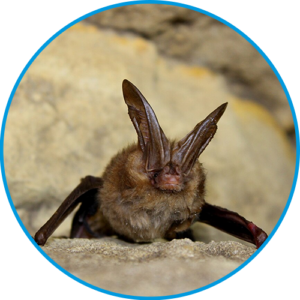
Bats
Smart curtailment at wind sites including Black Rock and Dan’s Mountain slows turbines only when bats are active in the area. We also fund research to better understand and reduce those impacts, including ongoing work with Western EcoSystems Technology and support for the Renewable Energy Wildlife Research Fund.
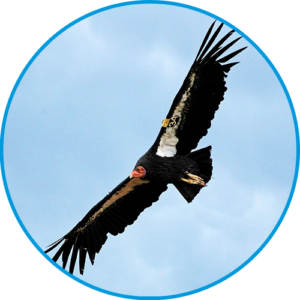
California condors
One of eight wind companies funding a 15-year plan with The Peregrine Fund to breed and release condors back into the wild.
Monarch butterflies
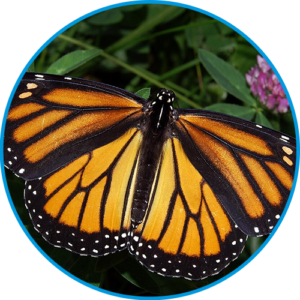
At ten community solar sites, we’ve set aside part of each site — up to 17% in one case — as protected monarch habitat, through our participation in the voluntary Monarch Candidate Conservation Agreement with Assurances (CCAA).